

**Toad in the Hole**
In collaboration with local community groups, the Herpetological Society of Ireland (HSI) are continuing to search for non-native toads through the “Toad in the Hole” initiative.
Recent sightings of common toad, Bufo bufo, point to the reality that we have established and expanding populations of this non-native species in a number of counties across the island.
We are asking members of the public and community groups to send us sightings or details of known locations of common toads (with photos if possible). This information will provide essential data on their distribution and density in Ireland and allow us to further investigate the status and impact of this population on native amphibians and invertebrates.
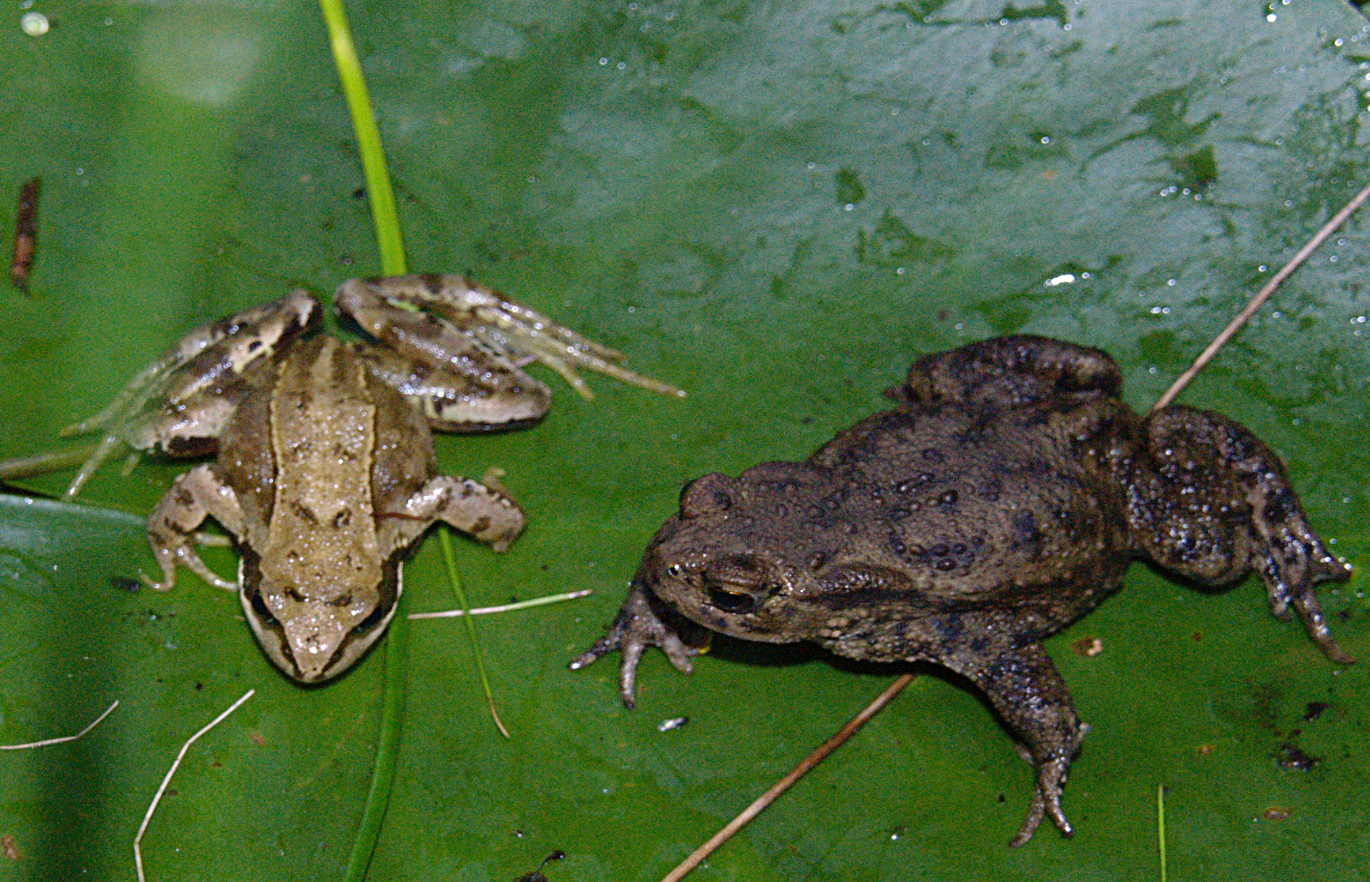
For more information and how to identify a common toad you can download and save the i.d guide from here or if you require a high-res image please drop us an email.
To send information, sightings or photos for verification please use the PM function on Facebook, the DM function on Twitter/ X or email science@thehsi.org
Background Information
Common toads are not native to Ireland, and it is illegal to introduce them into the wild under the both the Habitats Directive and Wildlife Act. Ireland is one of only two countries in northern Europe where this species is not native and it is unclear what impact they may have on our native wildlife.
Based on prior investigation, the source(s) of these toad populations are likely to have been captive individuals that escaped or were deliberately released into the environment, possibly some decades ago.
That they have evaded detection until relatively recently suggests that their ability to spread is slow and likely hampered by the abundance of busy roads that criss-cross the island both locally and nationally.
Unlike our native Natterjack toad, common toads prefer to live in habitats with some canopy cover and are particularly fond of woodland edges, hedgerows and gardens. They are more tolerant of drier conditions than common frogs and therefore can be found a good distance away from wetland and boggy areas. Like our native amphibians, they must return to the water to breed in the Spring but can also be found migrating to hibernating areas in the Autumn.


 The Herpetological Society of Ireland